Radio Air Garden Project Overview
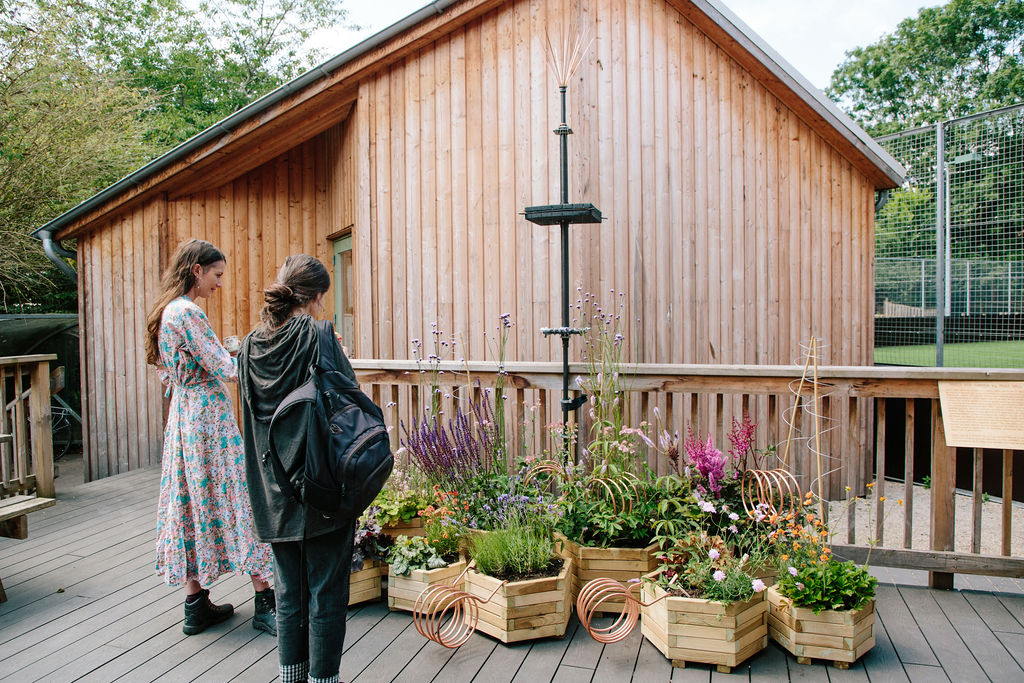
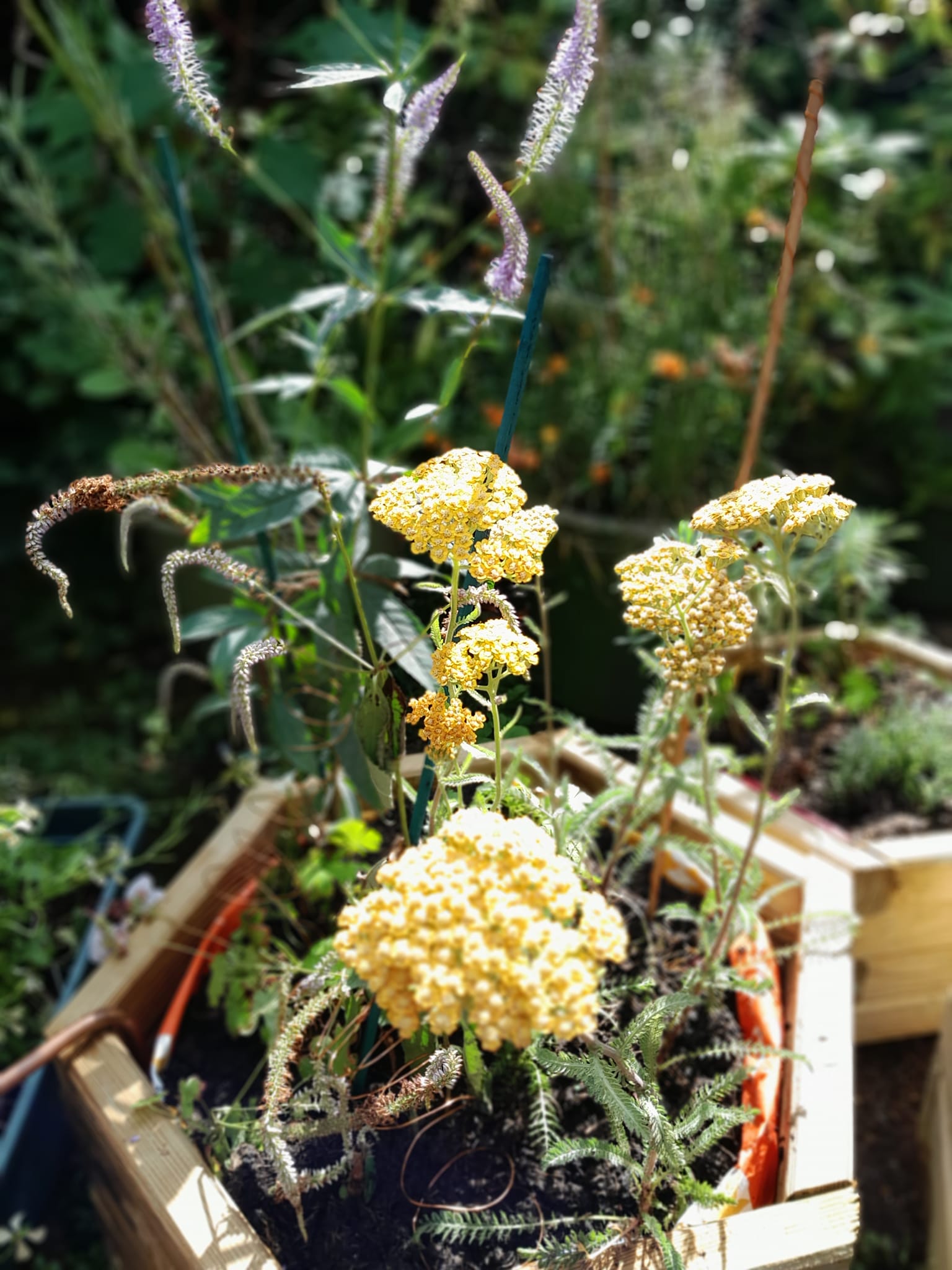
Magz Hall’s Radio Air Garden uses plants which are known to absorb air pollution and are also great pollinators, promoting planting to improve air quality. The garden links in to the hundred-year long history of experimentation of using antenna and copper coils for growth, known as electro-culture. This expanded radio and sound and horticultural art project was inspired by antenna use around 1882, the aim of which was to fertilize gardens with atmospheric electricity, initially designed by Brother Paulin, director of Beauvais School of Agriculture who called it a “geomagnetifere.“ to improve plants grown without the use of chemical fertilisers and later French Inventor and engineer Justin Christofleau who grew an electric vegetable garden potager électrique, using “electro-magnetic terro-celestial” power. Following electroculture principles, Magz has created copper coils based on radio transmitter coils to aid growth and created a prototype aeolian antenna. She initally sourced plants from the Phyto-Sensor toolkit, a simple resource developed at Goldsmiths to grow air gardens, which she has expanded further and added to for her radio air gardens to embrace plants which have antenna-like structures and are good pollution absorbers. Photo Ibi Feher
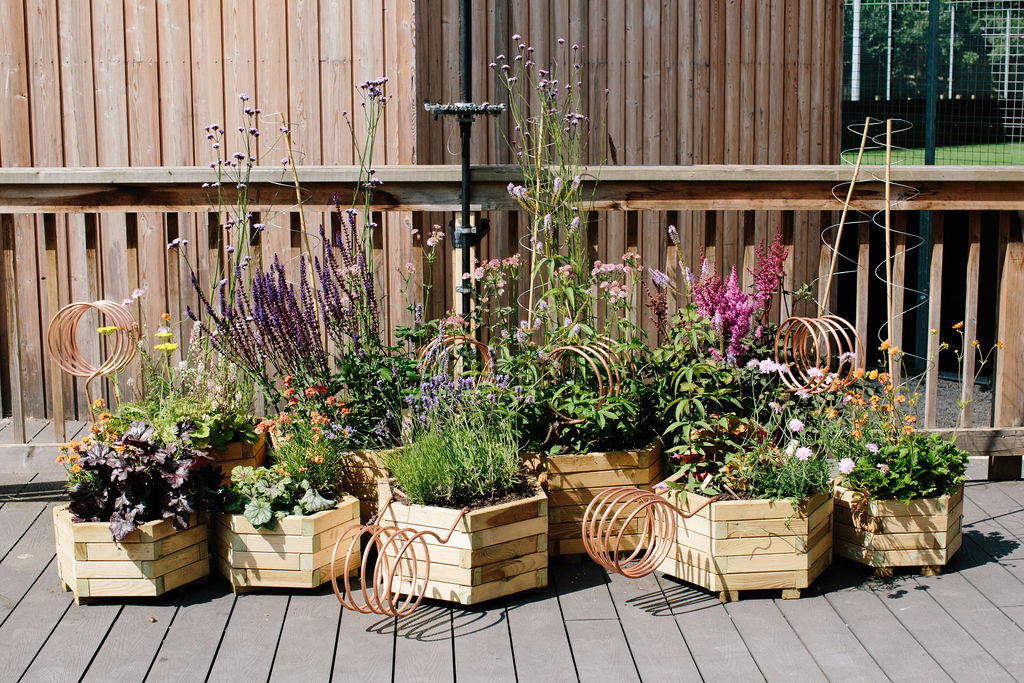
Latest news coils and planting at KUBU gallery finland 5th June – 31st August for the Garden and the Hedge Exhibition. https://kubu.fi/project/2025/
Podcast for Museo Nacional Centro de Arte Reina Sofía, 2025 https://radio.museoreinasofia.es/en/magz-hall
Dedicated instagram for the project with updates, photos and videos
https://www.instagram.com/radioairgarden_/
Project Supporters
I am open and looking for arts opportunities and commissions for the project in a variety of spaces and forms. The project has so far been supported in various forms by the Margate School, Canterbury Christ Church University, Oram Awards PRS, Windmill Hill City Farm Bristiol, the Brunswick Club, Screen South, ACE, KUBU and Museo Nacional Centro de Arte Reina Sofía.
First edition prototype at Windmill Hill City Farm Bristol in July 2024 and can be visited everyday 10am -4pm.
Radio Air Garden is an umbrella project, an expanded radio art garden, a series of gardens and works on air pollution. I am experimenting with horticultural gardening using sound sculptures as antenna like growing structures, based on early French electro culture I am growing plants which absorb pollution as a canvas.
Focus and inspiration, the project was produced as a direct response to landfill pollution in Canterbury and wider issues across the UK and beyond, a hyperlocal and worldwide issue.
This expanded experimentation has involved the development of a series of new audio works alongside the sound installations. These growing outputs will be showcased in a future radio air gardens, they explore landfill, aviation and micro plastic and sewage pollution.
Air pollution related sound works made for Radio Garden Project:
Waste Lands: Walleys Quarry immersive radiophonic doc supported by Screen South and ACE and UK Gov, with first-hand accounts by those most affected by landfill pollution, 16 speaker installation Wintersound Festival Jan and broadcast on Radiophenia, Resonance FM and Extra 18th April.
Breathe Easy Immersive Sound Showcase, Brewery Tap Folkestone and UCA Canterbury group show, March 2024.
Podcast recorded for Reina Sofia National Museum Madrid expanded radio practice and radio air gardens and aeolian antenna sound sculpture.
https://radio.museoreinasofia.es/en/magz-hall
Long Wave curated and produced a participatory radio installation about micro plastic pollution above the Pyrenees mountains. Free Radio Pyrenees (2023) ran radio art camp at CAMPfr.
https://www.campfr.com/course/onsite/70/free-radio-pyrenees-with-magz-hall-and-andrew-oconnor
Don’t Listen Up (2022) Whitstable Biennale, Horsebridge Arts, Sonic Cartography Conference, Royal Chatham Docks, Kent University, Harakka Island Radio, Lennätin Gallery Finland May 2023.Magz Hall and Peter Coyte’s 5.1 surround project, maps sea and air pollution across Kent.
Video on my practice in relation to healing exhibited at BotanicArt March 8 – May 11, 2024 Taller Boricua Gallery New York.
Radio Air Garden and Aeolian Antenna prototype and Expanded Radio Art Workshops at Windmill Hill City Farm, Bristol in July/August 2024. Supported by The Brunswick Club CIC, Bristol Artist-Led Collective of Collectives and funded by VASW. Full details here:
https://kathyhinde.co.uk/transmissions-radio-art-lab/
http://www.beefbristol.org/portfolio/transmissions-radio-art-lab-26-28-july-2024/
Related Papers:
7th ECREA Radio and Sound Conference Radio and Sound Ecosystems in the Platform Age in Barcleona 6-8th Sept 2023.
University of Sunderland, MeCCSA Radio Studies Network Conference Oct 2023
Art for the Environment research talk UAL LCC 16th April 2024
MeCCSA Sept 2024 Manchester Met, Transcending the Permacrisis Conference
Radio Air Garden Background Research
This project has sustainability at its heart, I am growing and designing a radio air gardens, using plants which are known to absorb air pollution and are also great air pollinators, moving foward from my project Don’t Listen Up and ongoing interest in transmitter copper coils as expanded sound sculpture.
I’m promoting planting to improve air quality and also linking into the hundred-year long history of experimentation of using copper coils for growth, known as electro-culture. I also have found it to be an engaging way to share radio art activities, radio podcasts, micro sound installations, radio workshops and actvities and raise awareness of air pollution.
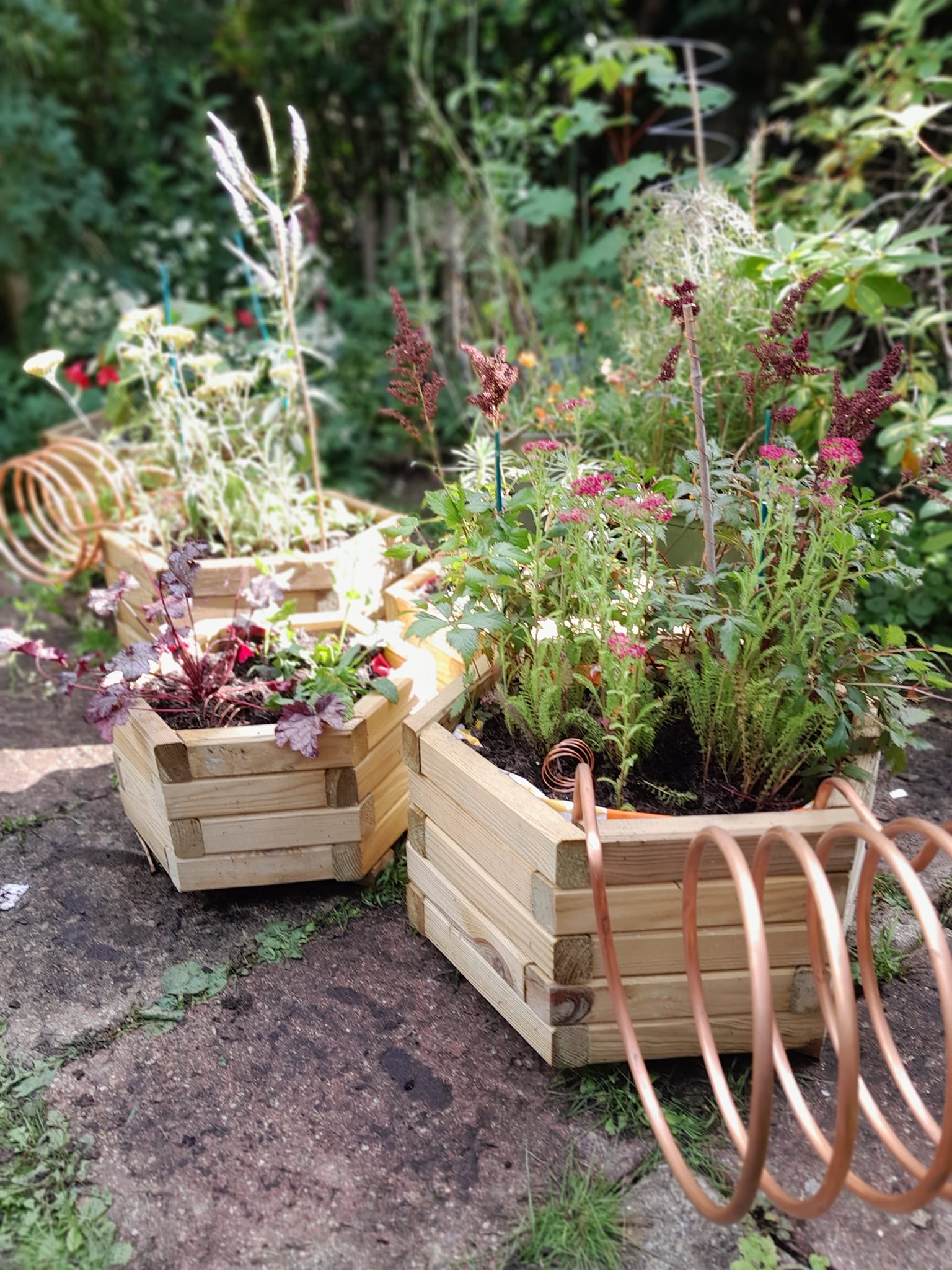
I have been researching how to make coil plant antennas to test out electro-culture methods using antennas and the best plants to absorb pollution in the radio air garden since September 2022, after an offer of a residency at the Margate School, and cuts due to funding there, I developed the project further through my practice based research in expanded radio art at Canterbury Christ Church University. (photos Magz Hall)
Methodology
I have been creating a radio air gardens which uses plants not only propagated by air, but which are super absorbers of pollution. The work draws on the basic technology of coil antennas used in electro culture. I have been looking at a range of styles developed since the turn of the last century. What drew me to them was that many are similar to simple radio antennas and are an interesting sculptural form to play with.
Another influence are the early loop coils of Georges Lakhovsky, 1929 which, it is claimed, can be used to make plants grow faster and larger. These are very easy to make with copper wire like the sort I have been using to make coils for transmitters. I see this as a way of doing something new with them in terms of creating living sonic expanded radio sound sculptures such as the aelion antenna outline below, with an environmental purpose, which can also be part of a live performance and workshops in the space.
I initally drew up a list of plants to grow initially with direction via the Phyto-Sensor toolkit, a simple resource developed at Goldsmiths for learning how to make air quality gardens in community settings, including using plants like Salvia officinalis that have been shown to take up heavy metals like zinc. This plant with hairy leaves is “not only good for clean air, but is also beneficial to pollinating organisms, thereby increasing biodiversity.” (Further plants were selected after a year of growing that met my asethic and ecological criteria.)
I’ll be documenting not only how well the plants grow, but also hope to team up with a scientist to work out how much pollution they are absorbing and see there is scope to team up with a wide variety of specialists.
Radio Air Garden in an initial form will be the perfect spot for a radio jam and some experimental music and radio performances and air new work and listen to radio.
I am exploring the antennas and plants’ sonic properties by wiring up these antennas as radio receivers, which is why they appealed to me. I will also test a variety of radio receivers and transmission opportunites, as this develops.
I also wish to work out how best to demonstrate how pollution affects radio and wirless signals and investigate how radio signals are being used by researchers to push pollution particles.
My large transmitter coils not only have elctroculture properties and attracted polinators, they are also good plant supporters and work well as a fantastic improv tool, when miked up.
I have been using my midi sprout, which turns plants bio data into music for the performance side of the garden and have been recording plants in my radio air garden and Daphne Orams former garden at Folly Tower and have teamed up with musician and composer Mieko Shimizu to make soundbeds for my recent radiophonic doc on landfill air pollution.
My initial research for the project and electro culture started looking at French researchers, upon futher research I then discovered quite an esoteric number of articles and books dating from the early 19th Century to more recent times. Most recently it’s been adopted by the new age community and tick tockers, rather than industrial farming use which was its earlier pioneer’s had hoped. The Gardens Trust put together an interesting blog on the history which gives an excellent overview of the area I have been researching.
It will be interesting to see if there is any added growth to the plants using the techniques mentioned here. It’s also interesting to note how new media is keeping this technique alive, as people share experiments via maker and gardening communities. Since my initial interest, the number of posts on the topic seems to be rising in recent years.
I can see quite a few everyday plant supports are designed as coils and towers which are not dissimilar to those adopted by electro culture, so from that perspective its use has not been completely lost in everyday gardening. However, its effectiveness remains to be resolved. I can see I will also enjoy developing a more aesthetic radio and sound art approach to this.
In March 2023 , I started to grow the first geranium plants and a few others in a greenhouse, half with the coils and half without and have a short film of this process but due to a very cold spring and greenhouse, I didn’t have very fast growth at all so when I re-potted with additional plugs outside when it got warmer. I wanted to see what they grew like, how they looked and how robust they were for my project, which gave me a much clearer idea of the plants I want to work with across the year.
Initial plant report from first prototype
I can report that the erysimum wallflower did exceptionally well flowering from early spring till late October, it really florished with its coil support, as did the colourful geranium called Skies of Italy Leaf Pelargonium (Geranium) this was was another star performer and grew really well, and the other geraniums were much slower. The Heuchera Plum Pudding (PBR) and the Crystal Blue Salvia Nemorosa grew well and looked great as did the Achillea’s, which had two long blooming periods. These were not scientific conditions but gave me a good idea of what grew well and looked good with the coils. The type of Euphorbia I got as plugs, characias subsp, however did not look great nor fair that well, nor did the lavender plugs florish but I think this was a supplier issue as they seemed very underpar from the get go and didn’t improve very much during the summer. I would change the type of euphorbia and lavender I used based on its slow growth size as well. Veronicastrum virginicum Fascinatio did really well looked amazing tall and interesting peaks but will be very fragile if transported. Astilbe Fanal looked great when flowering, smoky cloud like blooms which go black after it blooms so less atractive and I realise the aesthetic side of the radio air garden is equally important to me as well as the structure of the plants. I sought advice from horticulturist Ian Tocher on how best to document growth as done in trials gardens.
Test Plants this initial list which has now been refined over three years:
Initial planting
Wallflower Erysimum Apricot Twist
Veronicastrum virginicum Fascinatio
Heuchera Plum Pudding (PBR)
Astilbe Fanal (x arendsii)
Achillea millefolium Red Velvet
Achillea Terracotta
Geranium Orion and Skies of Italy
Euphorbia characias subsp. wulfenii
Salvia nemorosa Crystal Blue
Lavandula angustifolia Hidcote (lavender)
Geranium cranebill
Shrubby veronica (hebe odora)
Coral bells ( heuchera)
Delavay Orsmanthus
Salvia Nemorosa
Woodland Sage
Snowberry
False spire
Aster
https://www.instagram.com/p/Cumm5jqIURI/?hl=en
Current Refined Planting List for 2004/5
Yarrow aka Achillea millefolium Red Velvet and Terracotta
Astilbe Fanal
Euphorbia characias
Veronicastrum virginicum Fascination
Heuchera Plum Pudding/green and orange also known ascoral bells
Salvia, white, purple and nemorosa Crystal Blue (Color Spires Series)
Lavandula angustifolia Hidcote, Geums (totally tangerine and various orange )
Geraniums Orion and white,
Wallflowers Erysimum ‘Apricot Twist.
Verbena Bonariensis,
Astrantia pink
Lakhovsky coil 1929

These are the initial coils I will use, which are based on the Lakhovsky coil. I see this as an opportunity to make a range of versions at different scale as outdoor sculpture.

The photo above is from another early book on the subject from Justin Christofleu in 1927, shows end results that have clearly been doctored, which is an early example of prototype photoshop cut and paste and photo montage. An 11 foot cabbage seems an impossibility, which makes me somewhat dubious if the techniques will work, but I am open minded and keen to know more.
And if more biological ways can be used for growing that’s worth knowing about as well as looking into the history behind this movement and how those in it sought to use electricity, treating plants as living circuits and how this sits with modern day scientific understanding. Looking back to a point in time when radio and electricity was just becoming accessible in homes.
Living in Kent, the garden of England, a visit to Thanet Earth is on the cards, as I want to learn more about modern growing with electricity, as well as look at commercial orchards, fruit farms and vineyards. I’d like to talk to expert growers, scientists and see there is a also scope for me to record interviews for a future podcast and radio programme, which could be heard in the garden.
Another prototype version of the radio air garden was in July 2024 in Bristol, curated by Kathy Hinde of Bristol BEEF.
I am also looking for further partners to commission radio air gardens. I also partnered with Mums for Lungs and the Academy of Sustainable Futures at CCCU to try and get funding for a possible Chelsea all about plants garden we were shortlisted. There are many interesting outreach possibilities, I am thinking arts spaces, heritage and community gardens. I am seeking wider arts opportunities and commissions for the project.
Aeolian Antenna
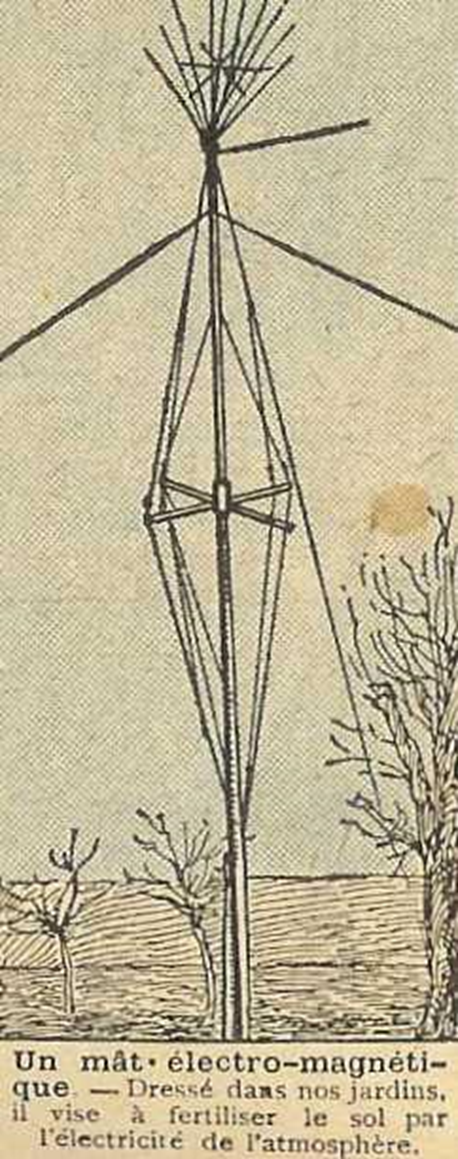
I love this early illustration on an electroculture antenna mast which was my inital inspiration. This type of anntenna was first used around 1882, the aim was to fertilize gardens with atmospheric electricity, it was initially designed by Brother Paulin, director of Beauvais School of Agriculture he called it a “geomagnetifere.“

This design was expanded by French Inventor and engineer Justin Christofleau, who wanted to improve plant grown without the use of chemical fertilisers. He grew an electric vegetable garden potager électrique, using what he termed as “electro-magnetic terro-celestial” power. The photo below is from his garden.
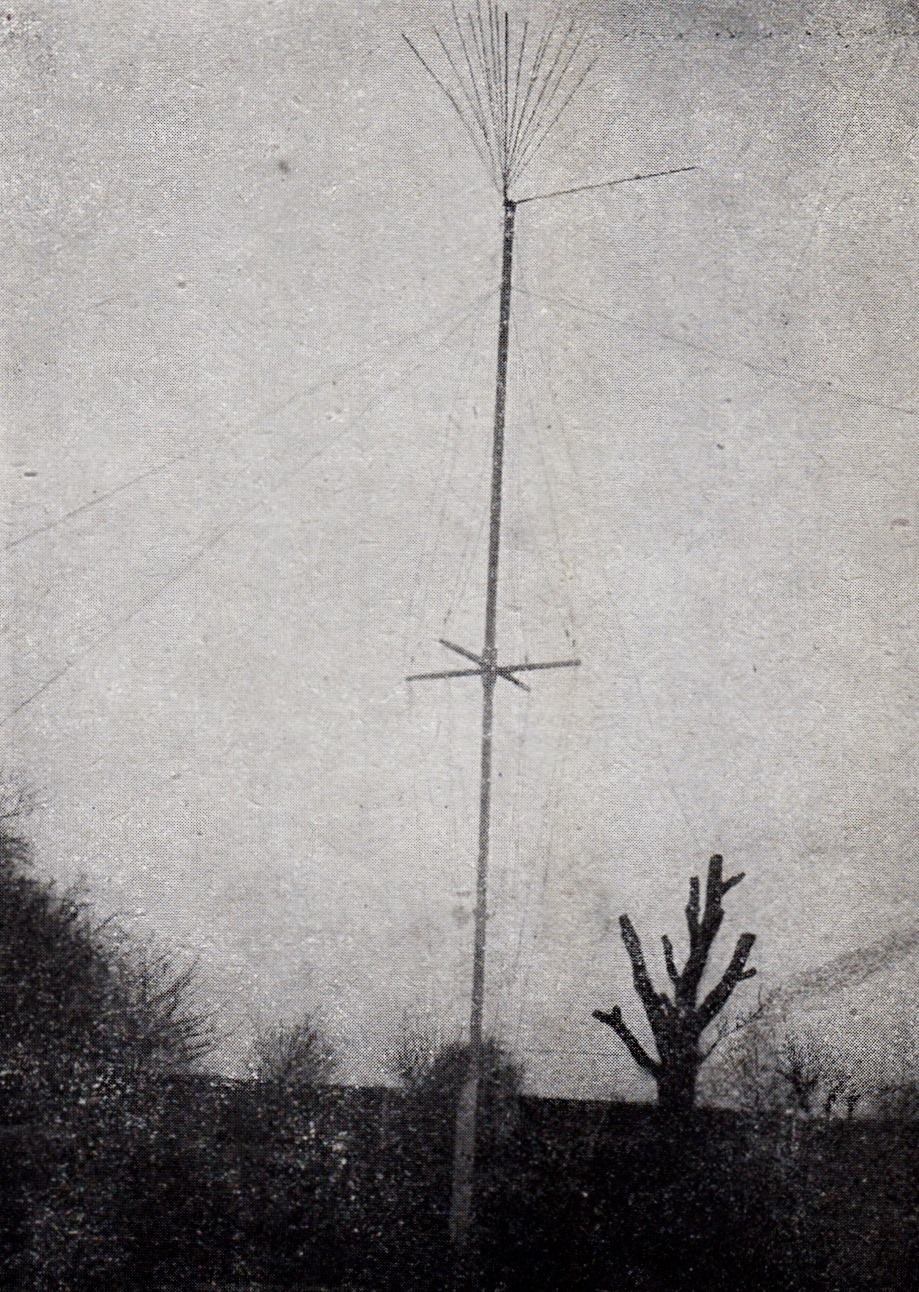
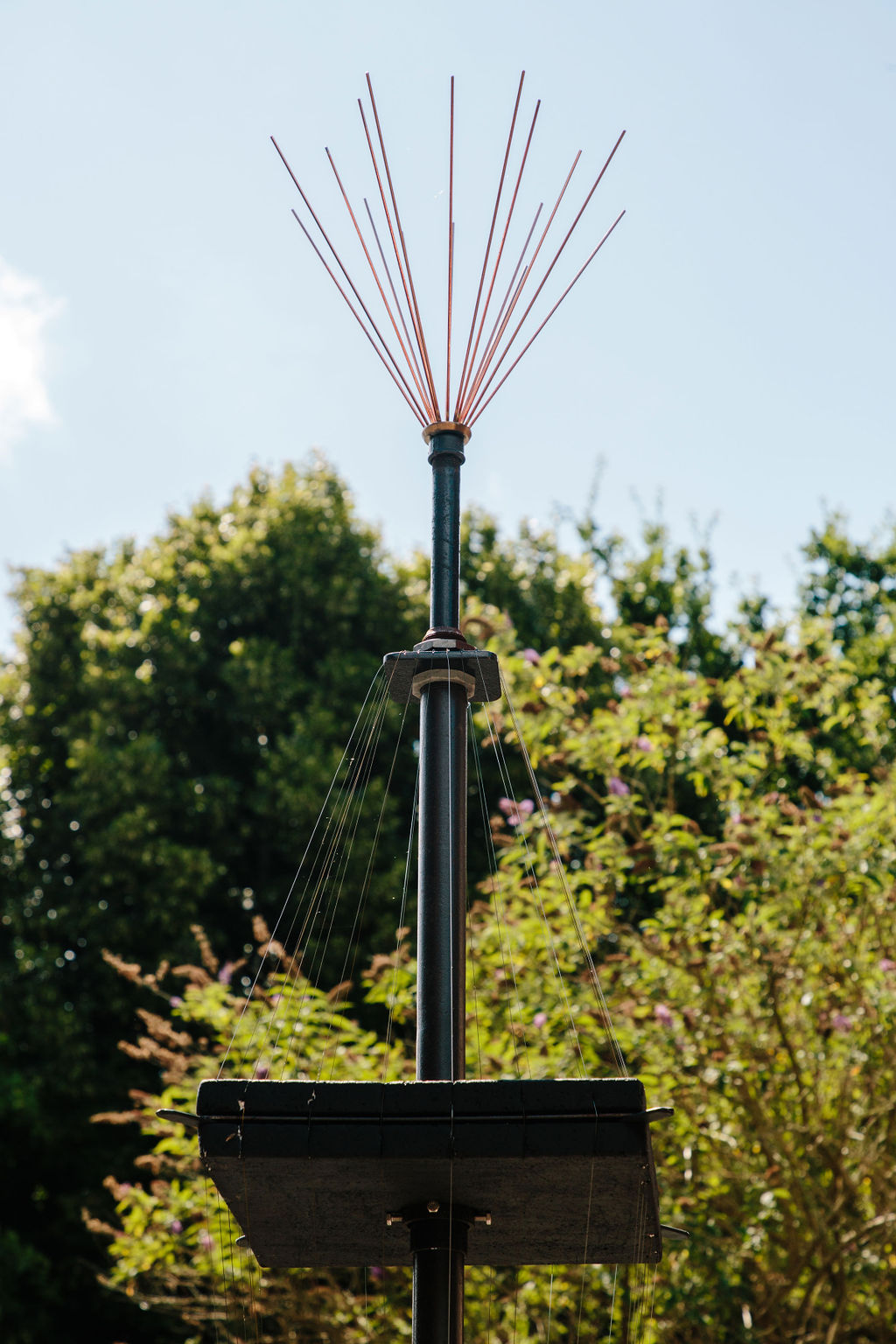
I was inspired by this early illustration and wanted to create a large antenna to be the centrepiece for the radio air garden. I reached out to engineeer and fellow sound artist Henry Dagg to help me with the project and build a protoype aeloian antenna sound sculpture. I was drawn to the ideal of the possiible musical, radio and growing qualities of such an antenna, an aeolian proptoype version is currently being developed.
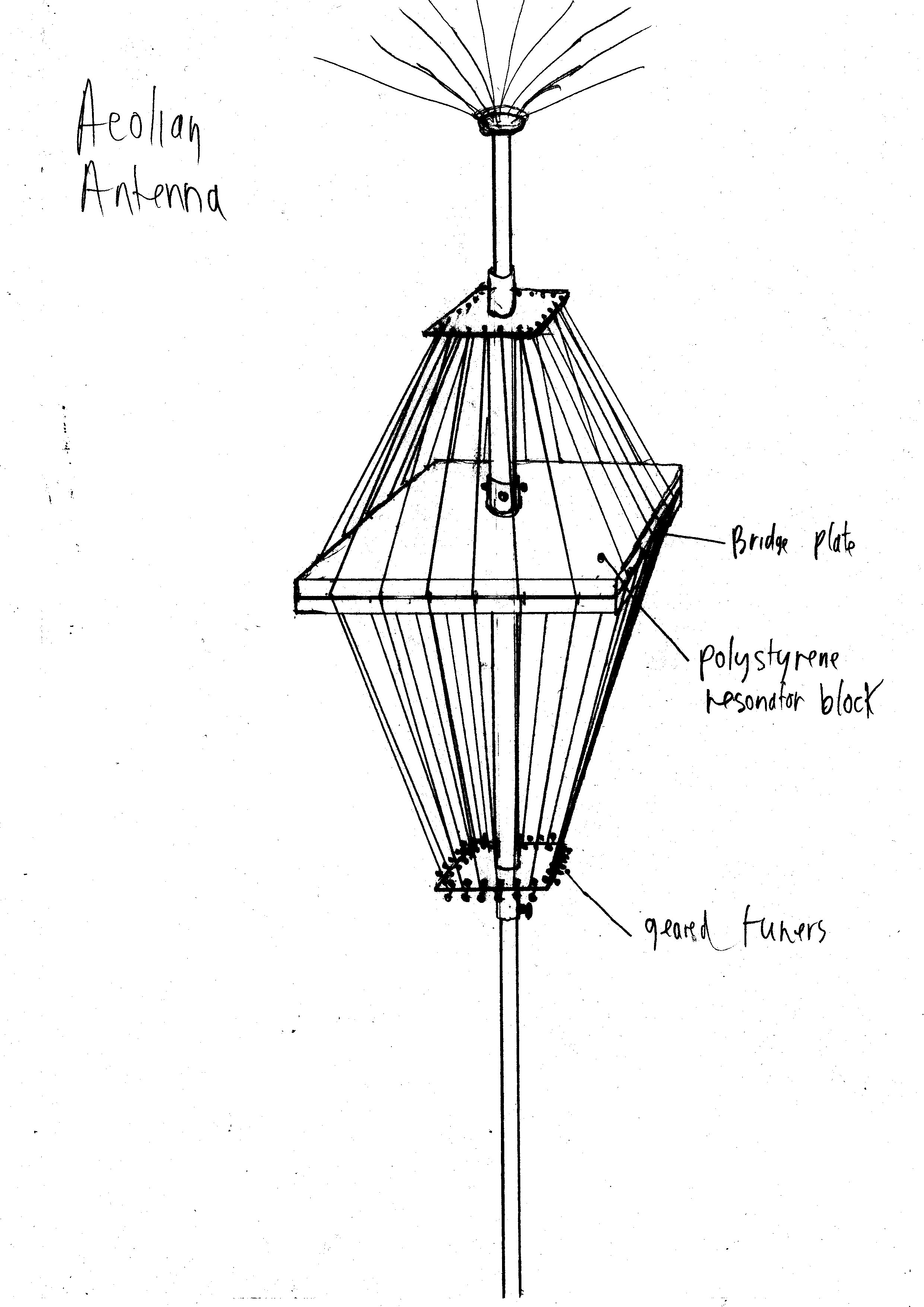
I am very happy with the inital prototype, I would also like to make one which is more simple, kite like, portable and robust for longer durational use.
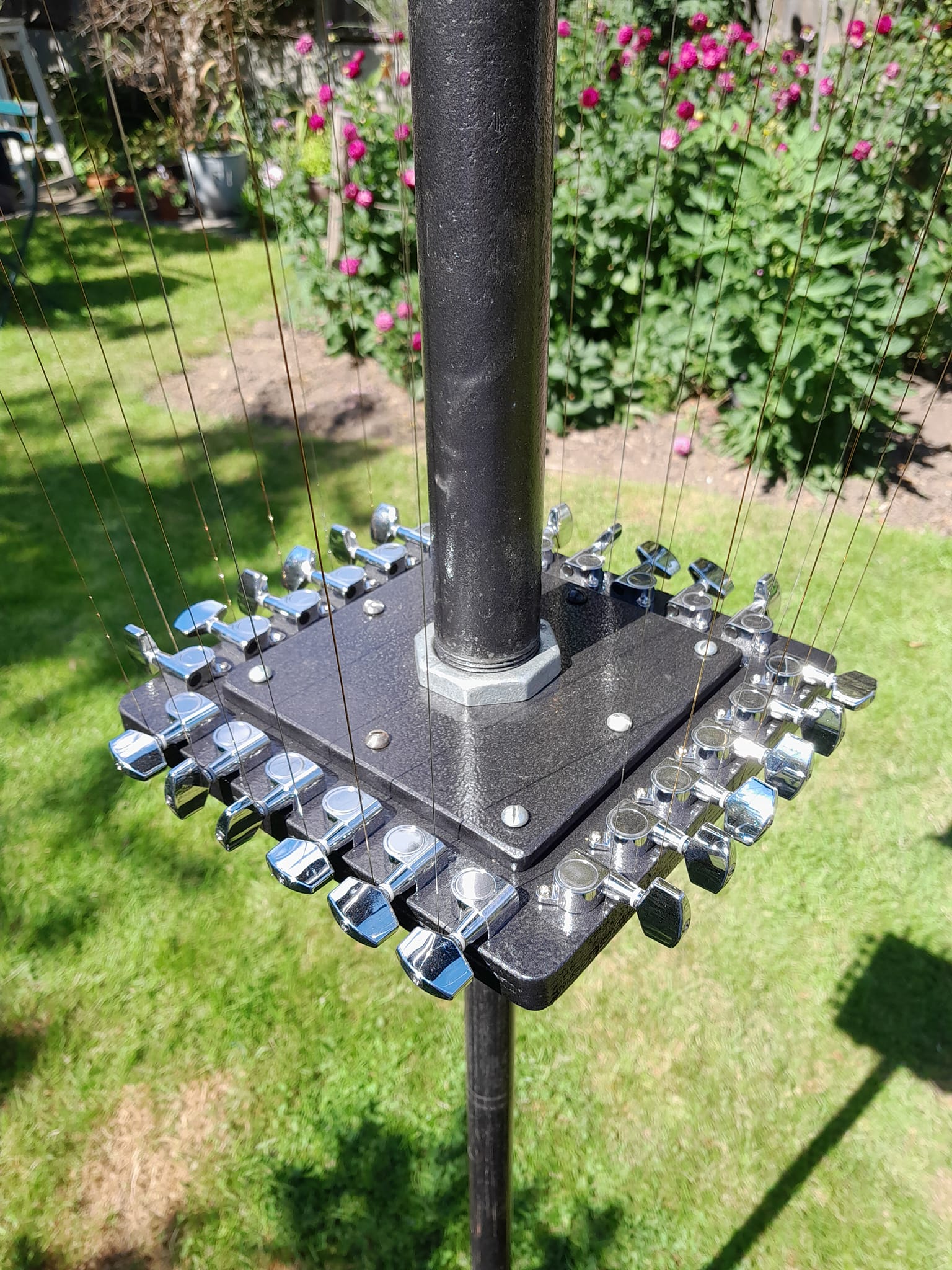
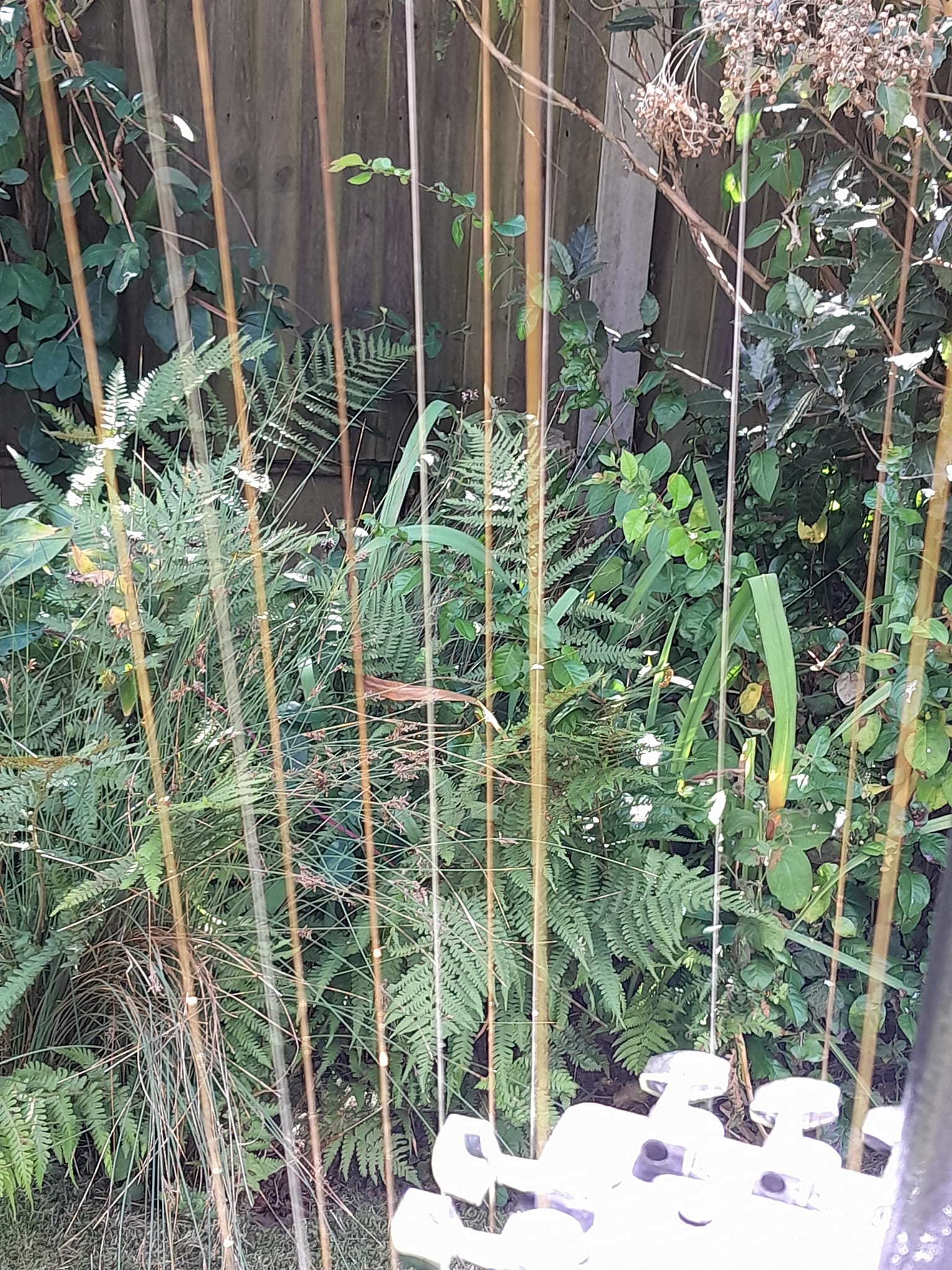

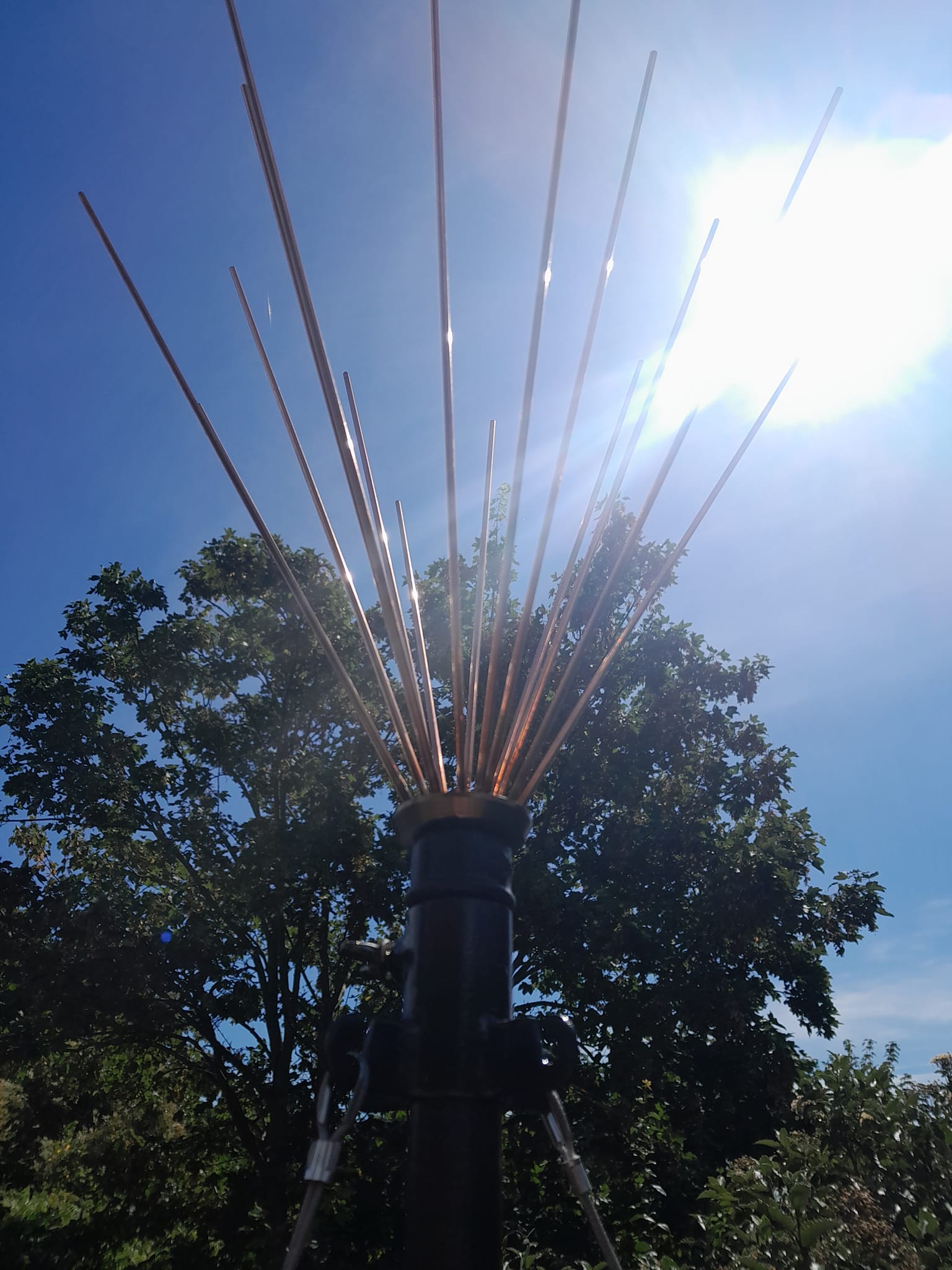
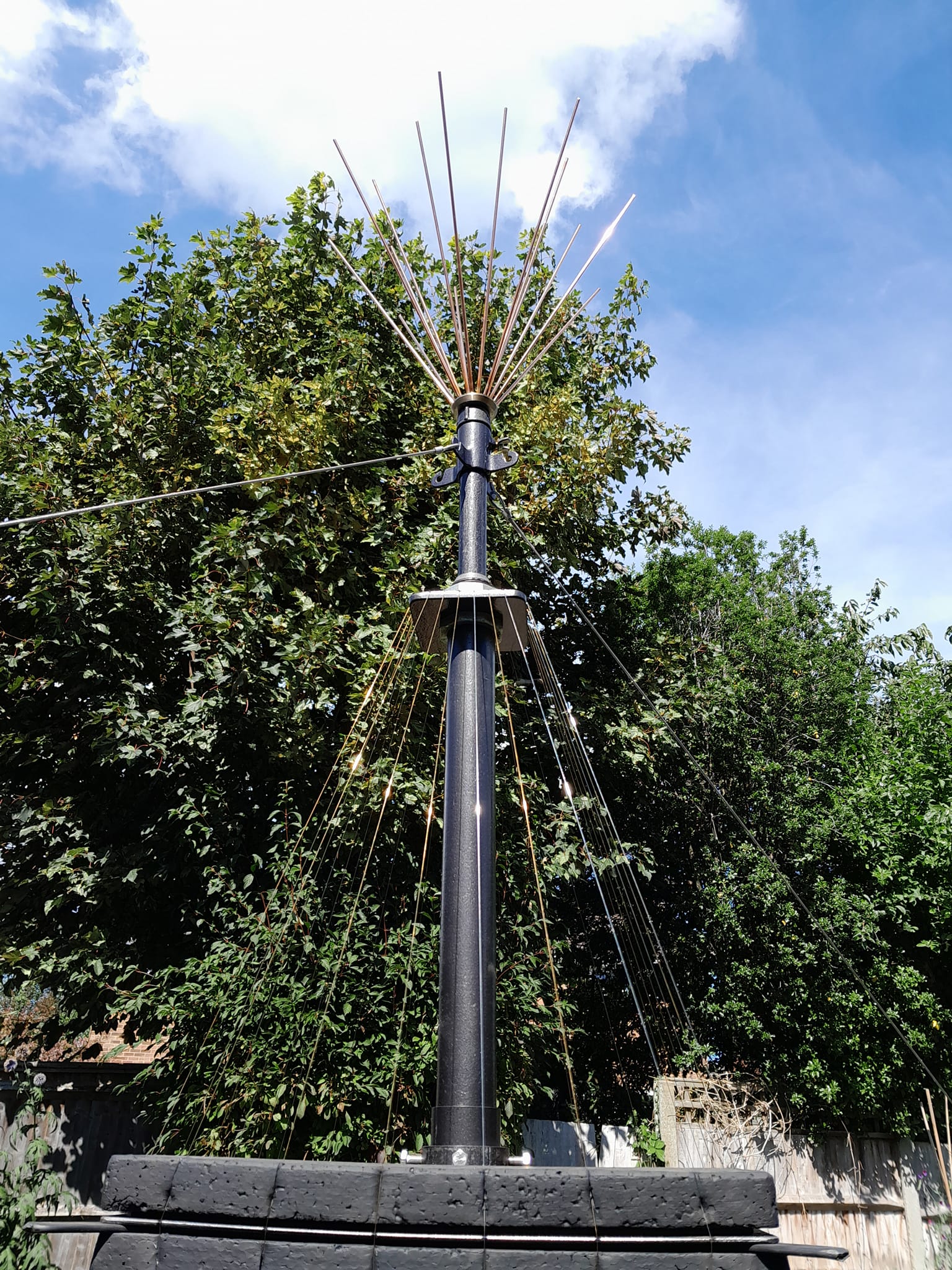
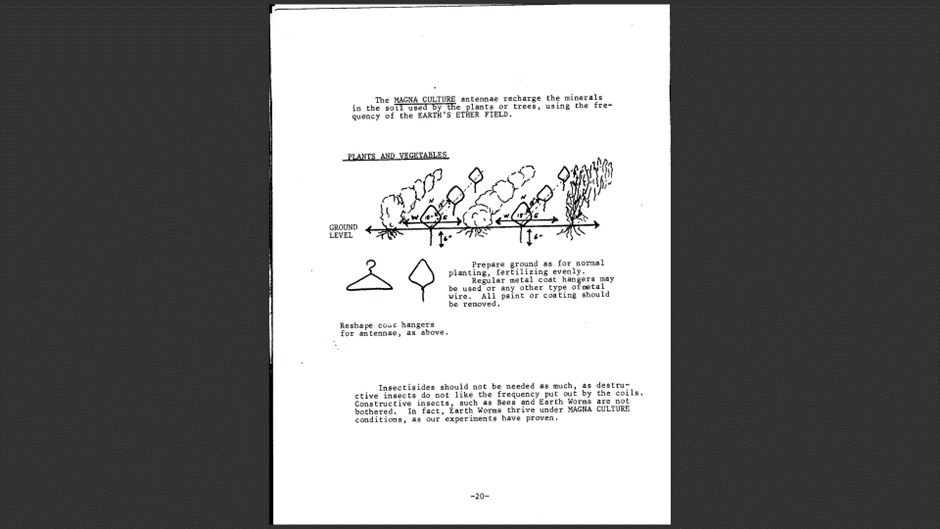
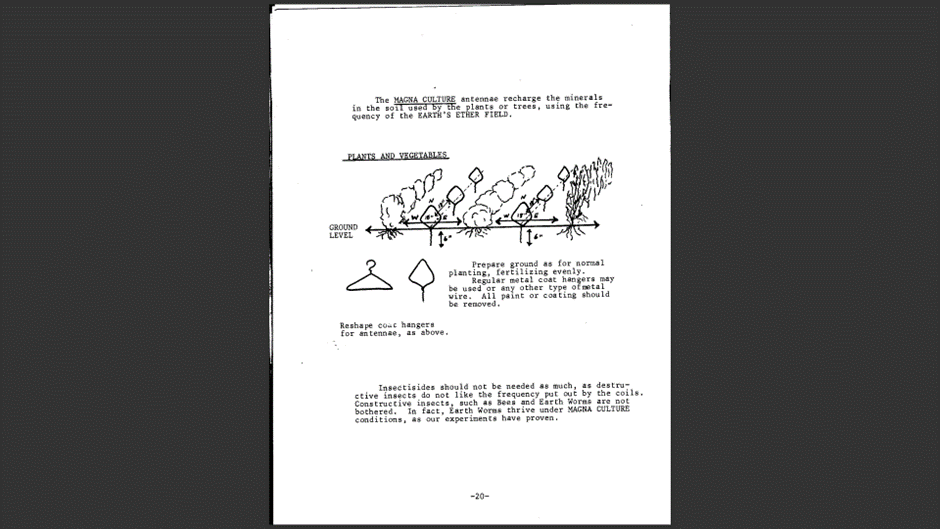
I started the radio air garden in portable raised beds. In future forms I will also use recycled coat hangers to aid growth and see if that works as well and will be an easy way to try out the technique at home. I have also been experimenting using copper coil loop antenna with recycled electrical wire, to make some more eye-catching sculptural antennas and ran a public workshop to build electroculture anntena in Bristol.
I instigated a new participatory work called Long Wave about the micro plastic pollution in the air above the Pyrenees, which can be aired in future raidio air gardens, alongside Don’t listen Up, Wastelands: Walleys Quarry and future audio and radio works on air pollution.
Theory
Michaele Cutaya, states, the politics of plants and the paradoxical nature of our relationshop with them is what is arguably the “Plantrohropocene Age”. With that in mind it clear my current project taps into a wider network of artist works related to our relationship with plants the environment via radio experimentation, this can be traced back to Hildergarde Westerkamps field recordings and sound walks and for me is the starting point for an ecological radio art.
The World Soundscape Project (WSP) was established as an educational and research group by R. Murray Schafer at Simon Fraser University during the late 1960s and early 1970s. It grew out of Schafer’s initial attempt to draw attention to the sonic environment through a course in noise pollution. I want to make visible, raise awareness and sonify air pollution.
I am investigating air pollution via my radio garden and using what I call expanded radio art practice to frame this practice based research.
The history of elctrocuture is fascinating whilst the French and the rest of the world were very open sharing their findings, in the UK between wars the government carried out extensive research whilst findings were kept secret. David Kinahan’s 2009 paper argues the research was not properly understood at the time by a lay group of civil servants and should be revisited.
One of its most vocal supporters and experminter’s Christofleau “patented several devices which went into commercial production. Despite being persecuted for his inventions by lobbyists from the agro-chemical sector, over 150,000 of them were sold before war broke out in 1939 and closed the factory” (Gardens Trust).
Interestingly, many commercial shop-brought supports for plants often unwittingly echo electroculture designs with no reference to this.
Although the science may have been refuted at this time, it’s clear these coils and antennas certainly act as talismans for growers and offers a plecebo effect which encourages more tending and makes growing even more of an exciting experiment.
Ponds
Garden ponds are also a site to test air pollution. Recent research at Exeter University by Dr Ann Power have measured pollution in ponds and found “Although it is widely assumed air quality has improved since the smog events of the 1950s, these records show that after 1980 there is an increase in PM2.5 pollution (very small particulates), released by road vehicles, air travel & industry.”
A pond to aid pollution testing may be incorporated in a future radio air gardens designs for long term use where practical.
Past Related Practice Related Research
My growing practice and practice-based research has a strong strand focused on art for the environment via expanded radio art with related works since 2015. I have been embracing art for the environment as a strand of my practice since 2015, at the Yorkshire Sculpture Park, I then explored Ash Dieback in the UK and Don’t Listen UP, which focused on air, sea and land pollution across Kent.
Past relevant works:
Tree Radio (2015-16): Yorkshire Sculpture Park hand built mixed media installation. Oak Tree micro broadcasts the trees’ own reaction to light and water. Jerwood Open Forest (2016) Jerwood Space London, Dream Space and Forest Radio Callsigns, Jerwood and Forestry Commission. ACE Funded. Transmission Spores (2018): Sound sculpture mixed media ash stump. The Ash Archive, touring exhibition: Studio 3 Gallery, Kent University, Limbo Margate, Halpern Gallery UCA, Folkestone Salt Festival and Kaleidoscope Gallery Medway. ACE Funded. Also, part of Sounds of Nature (2019) Platforme Intermedia, Nantes France, RWA Open 168, (2021). Dreamspace 2 (2018): Art for the Environment Exhibition, 26 January – 18 March, Nunnery Gallery, Bow, London. ACE Funded and Whitstable Biennale 2018. Waves of Resistance for Galway 2020.
Artist press to raise local awareness of the landfill issues in Canterbury UK
References
Prof, S, Lembrom, 1904 Electricity in Agriculture and Horticulture, The Electrician Series. The Electrician, Printing & Publishing CO, England.
Justin Christofleu, 1927, Electroculture, Publsihed by Alex Troucet and Sons Perth Australia.
Georges Lakhovsky, (1939)The Secret Of Life, Cosmic Rays and Vital Radiations.
New Age Science Journal, 1976, Magna Culture.
Christianto, Victor & Smarandache, Florentin. (2021). A Review on Electroculture, Magneticulture and Laser culture to Boost Plant Growth. Bulletin of Pure & Applied Sciences- Botany. 40B. 65-69. 10.5958/2320-3196.2021.00006.9.
https://phyto-sensor-toolkit.citizensense.net/
Plant Matters, Michaele Cutaya, Art Monthly, No 466, May 2023.
The World Soundscape Project
https://www.sfu.ca/~truax/wsp.html
Kinahan, David, 2009. Struggling to Take Root: The Work of the Electro-Culture Committee of the Ministry of Agriculture and Fisheries Between 1918 and 1936 and its Fight for Acceptance.
Kinahan, David, 2009. Struggling to Take Root: The Work of the Electro-Culture Committee of the Ministry of Agriculture and Fisheries Between 1918 and 1936 and its Fight for Acceptance. Reinvention. Volume 2 issue 1.
https://warwick.ac.uk/fac/cross_fac/iatl/reinvention/archive/volume2issue1/kinahan/
Electroculture, Electroculture Posted on 04/09/2021 by The Gardens Trust
 Magz Hall
You must be logged in to post a comment.